
Weather and climate play an important role in our daily life. The type of clothes we wear, the food we eat, and even the animals living around us depend on weather and climate. In this chapter, students learn the difference between weather and climate and how animals adapt themselves to survive in different climatic conditions. Here is the complete notes of NCERT.
What is Weather?
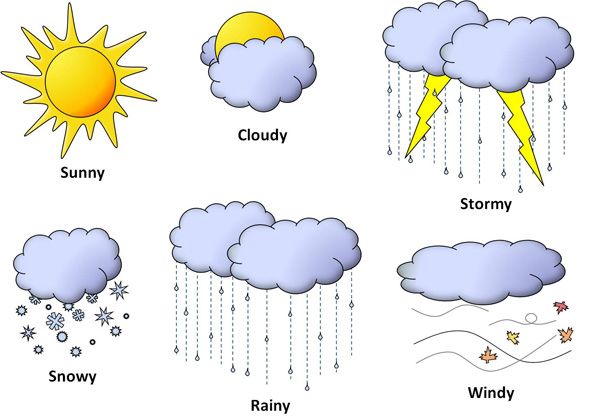
Weather refers to the day-to-day condition of the atmosphere at a particular place. It may change within a few hours or days. Weather includes factors such as temperature, humidity, rainfall, wind speed, and cloud cover.
For example, a day may be hot, cold, rainy, or windy. Weather reports help people plan their daily activities like travel, farming, and outdoor events.
Elements of Weather
- Temperature
- Humidity
- Rainfall
- Wind speed
- Cloud cover
What is Climate?
Climate is the average weather condition of a place observed over a long period of time, usually many years. Unlike weather, climate does not change quickly.
For example, the climate of a desert is hot and dry, while the climate of polar regions is extremely cold. Climate decides the type of plants, animals, and human activities in a region.
Difference Between Weather and Climate
Weather and climate have some core differences which are followings:
| Weather | Climate |
|---|---|
| Changes day by day | Does not change for many years |
| Short-term condition | Long-term average |
| Example: rainy day | Example: tropical climate |
Adaptation – Meaning
Adaptation refers to the special features or habits that help living organisms survive in a particular environment or climate. These features may be related to body structure, behavior, or way of living.
Animals develop adaptations to protect themselves from extreme heat, cold, rain, or scarcity of food.
Adaptations of Animals in Polar Regions
Polar regions are extremely cold and covered with snow for most of the year. Animals living here have special adaptations to survive in freezing temperatures.
Polar Bear
- Thick fur to keep the body warm
- Thick layer of fat under the skin
- White fur helps in camouflage
- Strong claws to catch prey and walk on ice
Penguins
- Thick skin and fat layer
- Streamlined body to swim easily
- Live in groups to keep warm
Adaptations of Animals in Tropical Rainforests
Tropical rainforests are hot, humid, and receive heavy rainfall. Animals here have adaptations to climb trees and move easily.
Monkeys
- Long arms and tails for climbing
- Strong grip
Tigers
- Striped skin for camouflage
- Sharp claws and teeth
Birds
- Strong beaks
- Light bodies for flying
Importance of Adaptation
Adaptation helps animals against weather and climate:
- Survive in extreme weather conditions
- Protect themselves from predators
- Find food easily
- Reproduce successfully
Without adaptation, survival in harsh climates would not be possible.
Climate and Human Life
Climate also affects human life. People living in cold regions wear woollen clothes, while those in hot regions prefer cotton clothes. Food habits, houses, and occupations also depend on climate.
Key Points to Remember
- Weather changes daily, climate remains the same for years.
- Adaptation helps organisms survive in their environment.
- Polar animals have thick fur and fat layers.
- Rainforest animals are adapted for climbing and camouflage.
Weather and Climate: Conclusion
Chapter 7 as weather and climate helps students understand how weather and climate affect living organisms. The concept of adaptation explains how animals adjust themselves according to their surroundings. This chapter builds awareness about nature and helps students appreciate the diversity of life on Earth. Read more on my website.
📌 Important Questions and Answers
Q1. What is weather?
Answer:
Weather refers to the day-to-day condition of the atmosphere at a particular place. It includes temperature, humidity, rainfall, wind speed, and cloud cover. Weather may change within a short period of time, even within a few hours.
Q2. What is climate?
Answer:
Climate is the average weather condition of a place observed over a long period of time, usually many years. It remains almost the same for a long duration and helps in deciding the type of plants and animals found in that region.
Q3. Write two differences between weather and climate.
Answer:
| Weather | Climate |
|---|---|
| Changes daily | Changes over many years |
| Short-term condition | Long-term average condition |
Q4. What is adaptation?
Answer:
Adaptation is the special feature or habit of an organism that helps it survive in a particular environment or climate. These adaptations help animals protect themselves, find food, and live comfortably in their surroundings.
Q5. How do polar bears survive in cold regions?
Answer:
Polar bears survive in cold regions due to the following adaptations:
- Thick fur to keep the body warm
- Thick layer of fat under the skin
- White fur for camouflage
- Strong claws to walk on ice and catch prey
Q6. Name two adaptations of animals living in tropical rainforests.
Answer:
Two adaptations of rainforest animals are:
- Long limbs or tails for climbing trees
- Body colors that help in camouflage
Q7. Why do penguins live in groups?
Answer:
Penguins live in groups to keep themselves warm in extremely cold polar regions. Living together helps them reduce heat loss and survive harsh weather conditions.
Q8. How does climate affect human life?
Answer:
Climate affects human life in many ways. It decides the type of clothes we wear, the food we eat, the houses we build, and even the occupations people follow. For example, people in cold regions wear woollen clothes, while people in hot regions prefer cotton clothes.
Q9. Name any four elements of weather.
Answer:
The four elements of weather are:
- Temperature
- Humidity
- Rainfall
- Wind speed
Q10. Why is adaptation important for animals?
Answer:
Adaptation is important because it helps animals:
- Survive in extreme climatic conditions
- Protect themselves from enemies
- Find food easily
- Continue their species